COOK ISLANDS and MANIHIKI AREA
In the Cook Islands, a canoe is called a vaka. These watercraft range from single-outrigger canoes used in lagoons to massive, double-hulled ocean-going voyaging canoes (vaka moana) historically used for ancestral migration and today maintained for cultural revival, education, and sports
https://en.wikipedia.org/wiki/Cook_Islands
https://en.wikipedia.org/wiki/Manihiki
The Manihiki area. Two types of outrigger canoe were formerly in use. One, the smaller, was a simple dugout or PUNI. The other and larger, the VAKA, distinguished by the perfection of their construction and the beauty of their inlaid mother-of-pearl ornamentation. The double-hulled canoes , VAKA TAURUA are simply an adaptation of outrigger canoes for a special use: the annual migration of the population from Manihiki to Rakahanga.
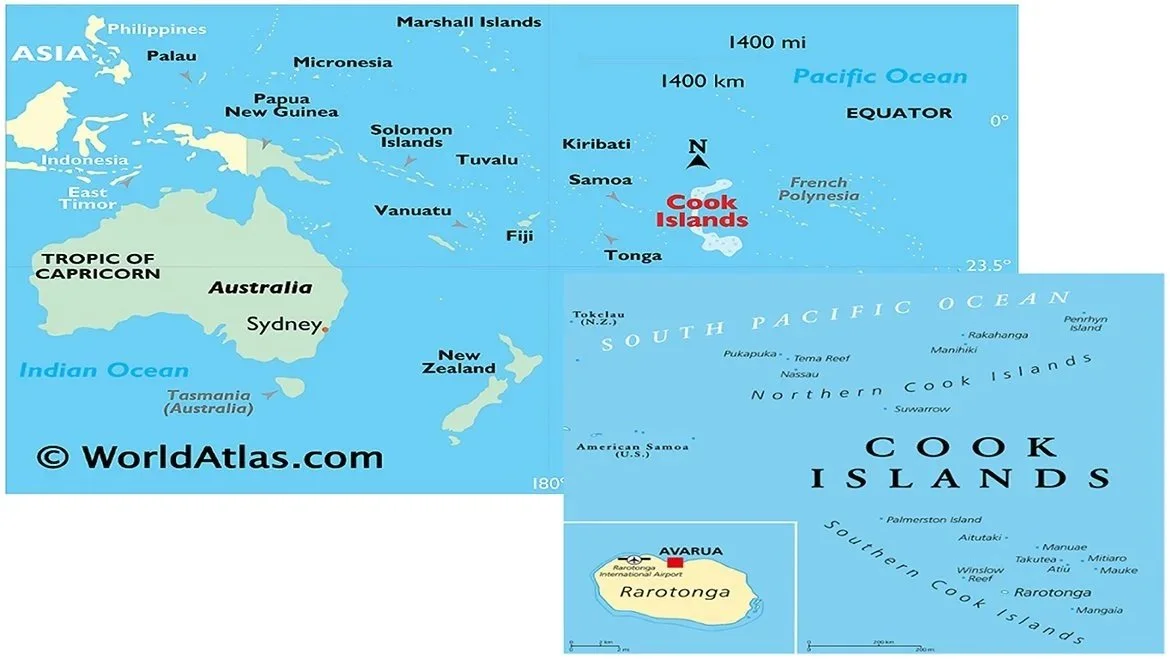
Cook+Islands+2.jpg
COOK ISLANDS MAP
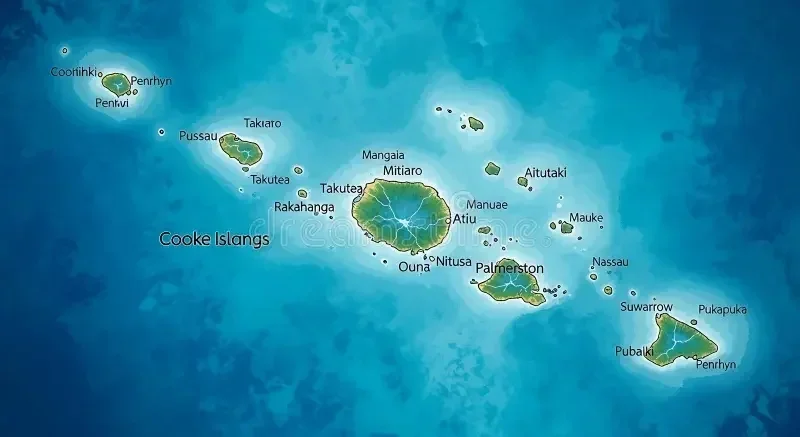
map-cook-islands-labeled-surrounding-ocean-bright-blue-detailed-showing-multiple-names-vibrant-background-clear-411447978.webp
Cook Islands map
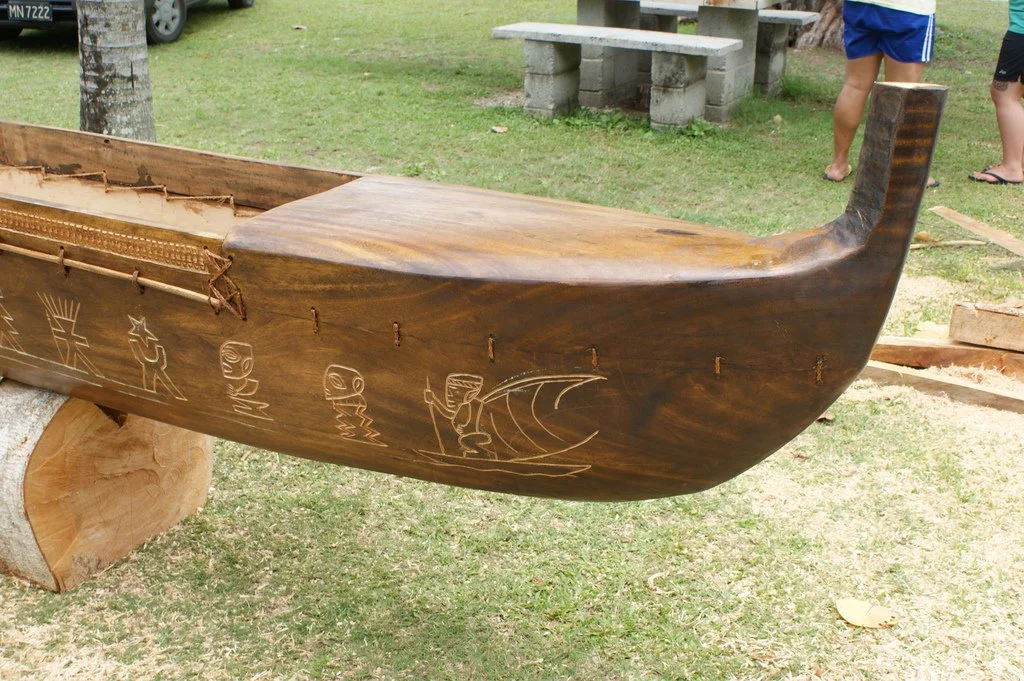
Canoe in Rarotonga, Cook Islands. It has a front top very similar to those in Hawaii. Note the carvings along the hull.
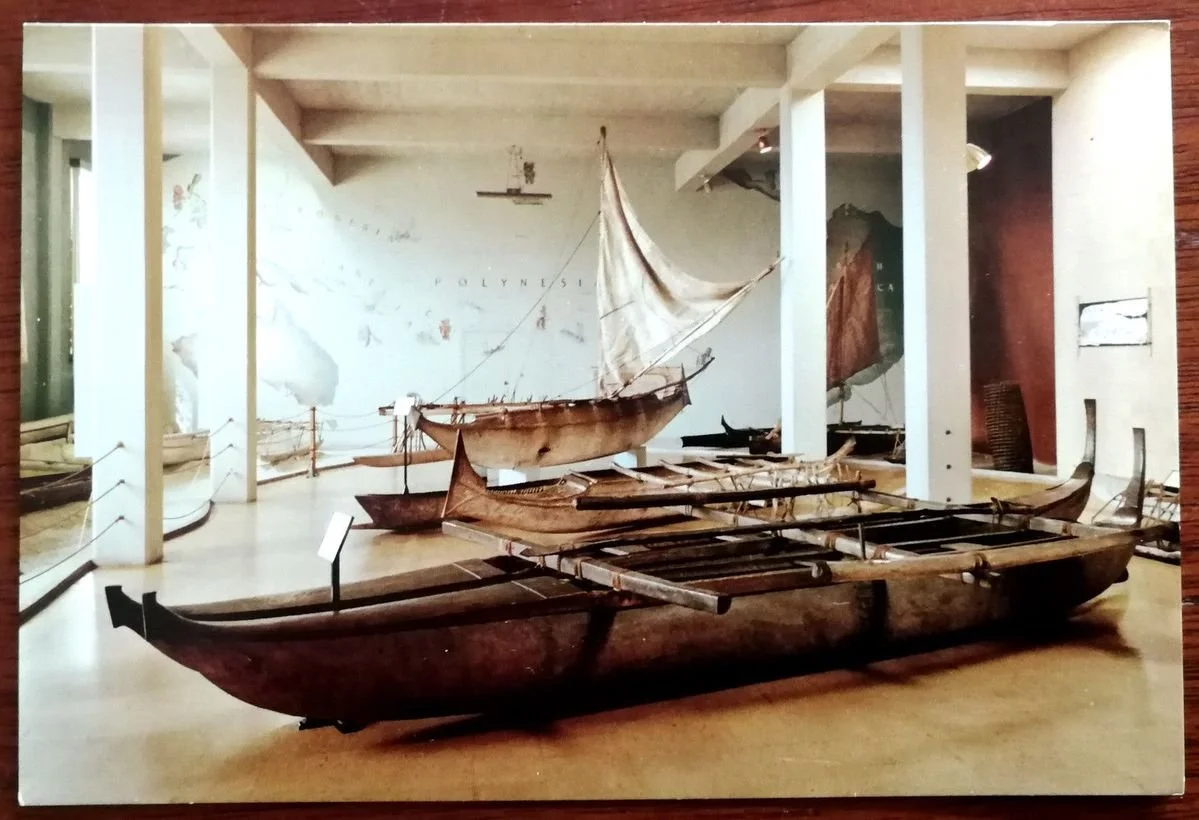
COOK ISLANDS
This is a small double-hull canoe from the island of Atiu. The small canoes of the Cook Islands share many similarities with Hawaiian fishing canoes, particularly in their shapes, which feature a raised stern and a lower bow piece, known as the manu, at the front. Most notably, the Cook Islanders used wood from the breadfruit tree to construct their canoes. Pacific Auckland War Memorial Museum.
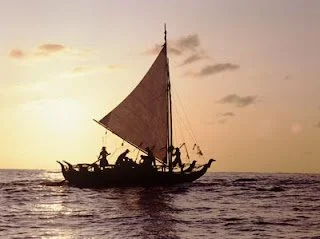
Maire Nui Cook Islands.
The Maire Nui Traditional voyaging canoe (vaka) from the island of Mauke. It gained fame for its 240 kilometer open-ocean voyage to Rarotonga for the 1992 Festival of Pacific Arts, navigated by master navigator Peia Patai
The Mauke canoe, Maire Nui, is pictured above under sail in an atmospheric photograph by Ewan Smith.
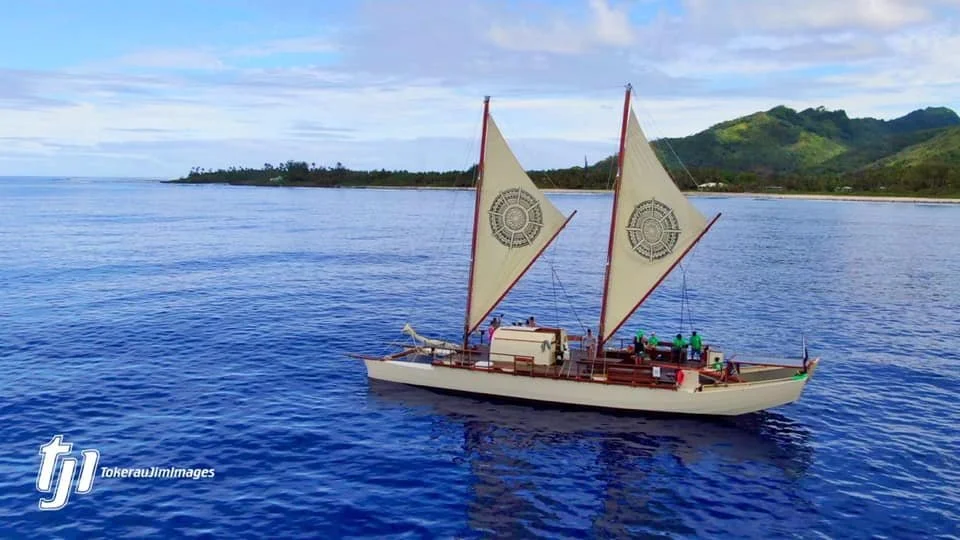
Marumaru Atua voyaging canoe. (Vaka Moana). Built in 2009 by the Okeanos Foundation for the Sea,
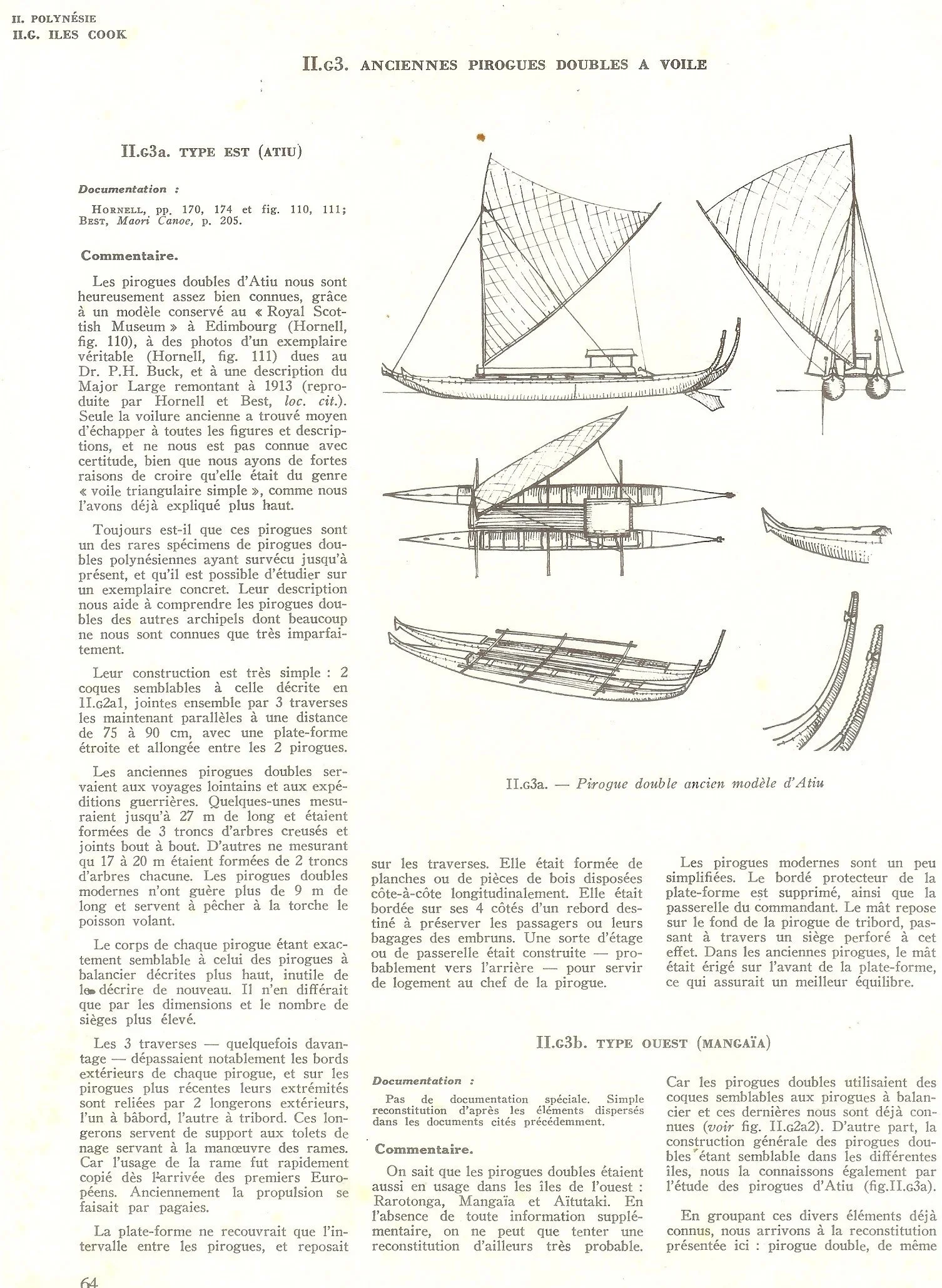
Cook Island.
Drawings of the double-hulled canoes of Atiu, page 64 in the work of Jean Neyret, Pirogues Oceaniennes.. This type canoe is also widely described by Hornell, Canoes of Oceania, page 172 and 173.
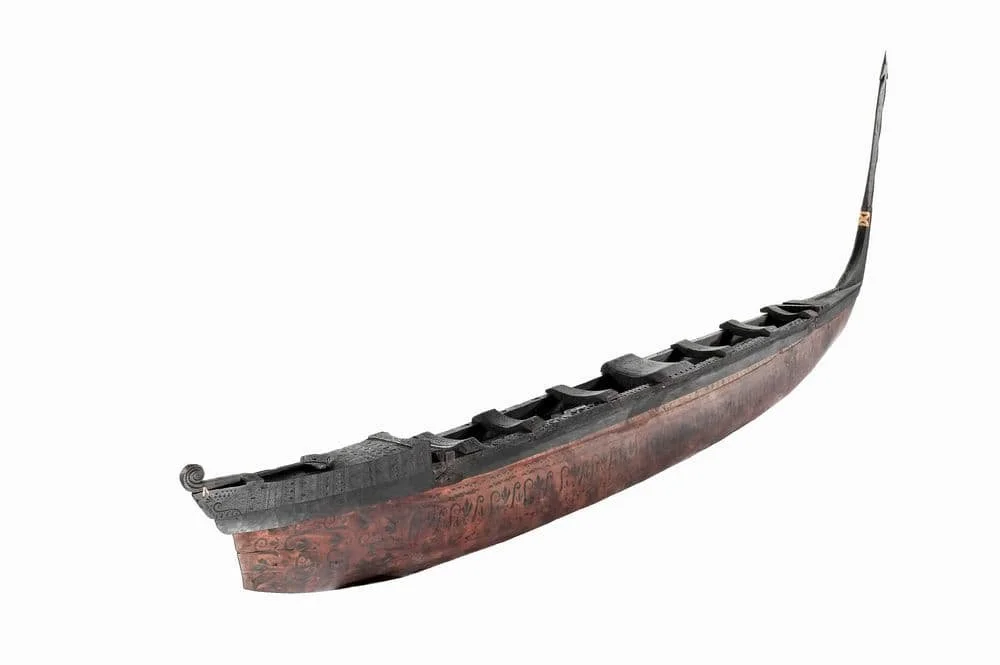
This vaka (canoe) is called A`ua`u, which is an old name for the island of Mangaia in the Cook Islands where the vaka originated. It was made by two Cook Island carvers, Tangitoru and Terepo, who travelled to New Zealand in 1906 to take part in the Christchurch International Exhibition. They brought this vaka with them and it was eventually acquired by the Dominion Museum. A'ua'u was originally built as an outrigger vaka and Te Papa also has its float in its collection. It is the world's only surviving example of an old-style carved and painted Mangaian canoe.
Design
A'ua'u is made from a hollowed log and has a distinctive vertical stern piece. The patterns of the painted markings visible on the hull were made by Tangitoru and are said to duplicate tattooed markings on his own body. On the bow there is a carved star motif that is believed to have been used as a steering and navigational aid. Although A'ua'u is just over four metres long, in the eighteenth century English explorer James Cook saw painted vaka this size out at sea.
THE MUSEUM OF NEW ZEALAND TE PAPA TONGEREWA

Cook Islands. Vaka A'ua'u. Museum of New Zealand Te Papa Tongarewa.
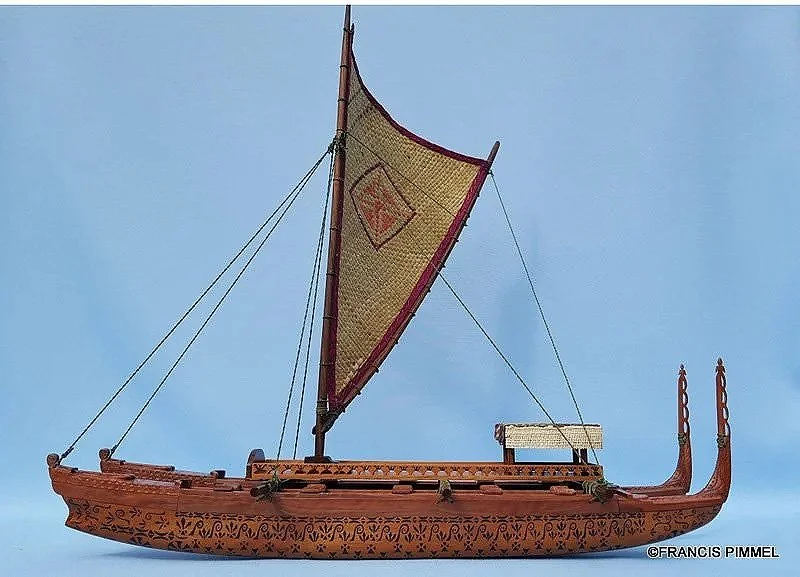
Cook+Island+canoe+by+Francis+Pimmel.jpg
A scale model of the double-hulled MANGAIA canoe. The hulls are a replication of A’UA’A, the world only surviving example of an old-style carved and painted MANGAIAN canoe. Further characteristics needed to build this model were found in Jean Neyret’s work Pirogues Oceaniennes, page 65.
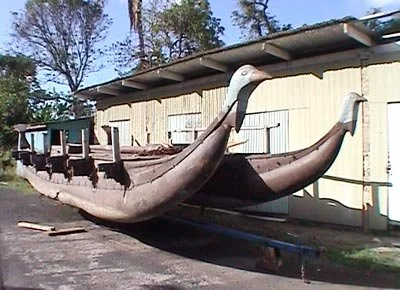
Cook Island Mare Nui.
In 1992, vaka building and voyaging experienced a resurgence in the Cook Islands when the country hosted the sixth Festival of Pacific Arts. Many southern group islands built vaka and sailed them to Rarotonga for the opening of the festival in October 1992.
The Mauke canoe, Maire Nui, is pictured above under sail in an atmospheric photograph by Ewan Smith.
On its 240km journey from Mauke it broke a boom, which halved the speed of travel to about 4 knots, but the boat arrived safely with a happy, although exhausted crew.
After the festival the Maire Nui languished in a tin shed at the old Kia Orana Food Factory until the government property corporation decided it needed the shed for other purposes. The vaka, by now somewhat dilapidated was moved outside.
The library and Mr T (Tetini Pekepo) wanted to build a lean-to in the library’s garden area and teach local youth to renovate and then sail the boat, but no funding was available. Maire Nui was relocated to Mr T’s property where he works on it when he has time.
Cook Islands Voyaging Society
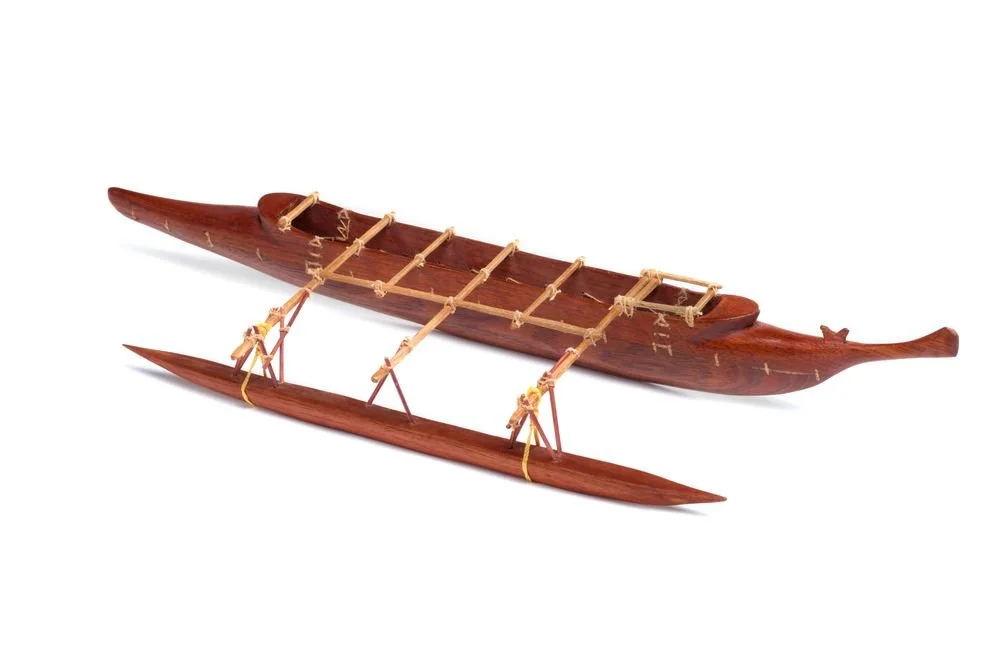
Cook Islands TePapa_Model-vaka-outrigger
A Tongarewa canoe model at the Te Papa Tongarewa collections, New Zealand Museum. Note the front and back seat of those outriggers
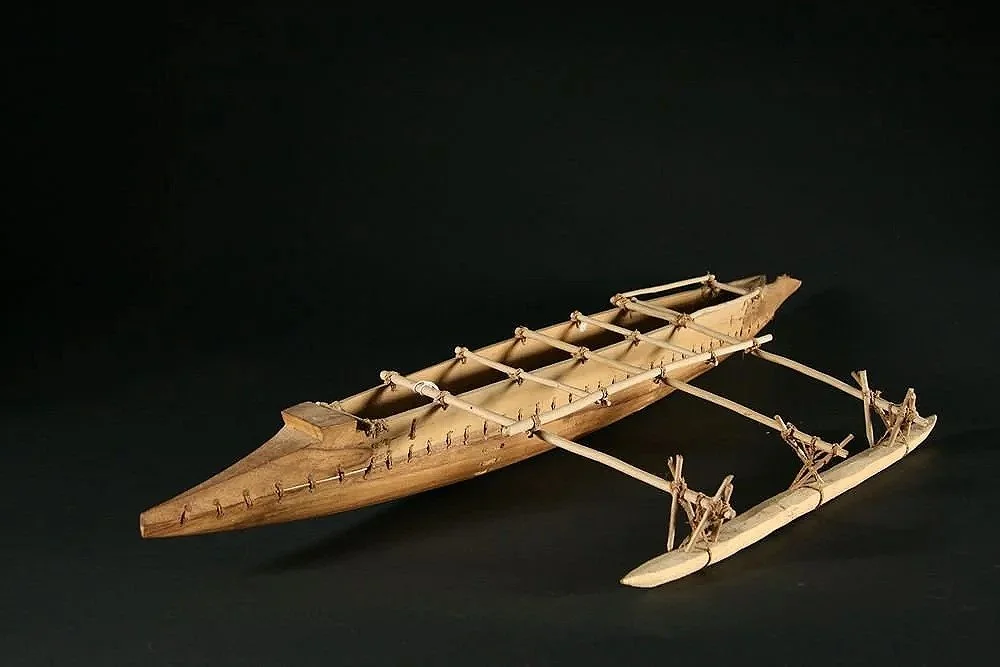
Cook islands. Te Papa Tongarewa Collections
A Vaka canoe model. This is an another example of a Tongarewa outrigger canoe. There is a canny resemblance to the Tuvalu canoe.
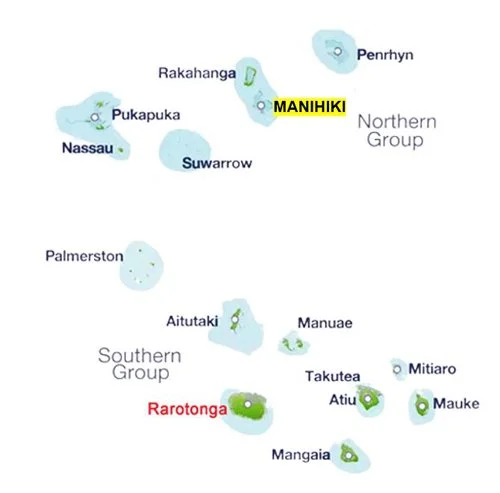
A map showing the location of Manihiki.
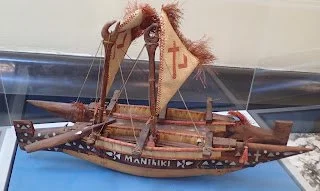
Cook islands Manihiki atoll. A Vaka Taurua double-hulled canoe model. Vatican Collection.
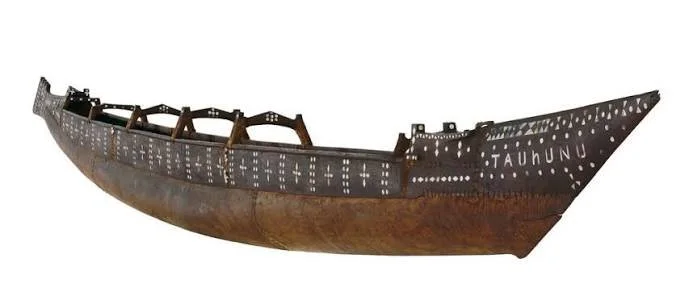
Vaka Tauhunu.
The Vaka Tauhunu is a rare, historic outrigger canoe from the atoll of Manihiki in the northern Cook Islands, crafted around 1900 and currently housed at the Museum of New Zealand Te Papa Tongarewa.
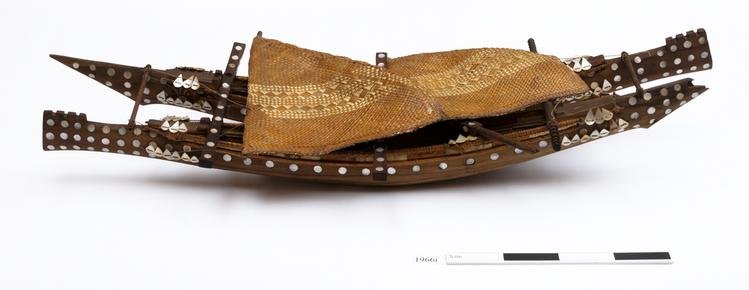
A beautiful Manihiki canoe model at the Horniman Museum, London.
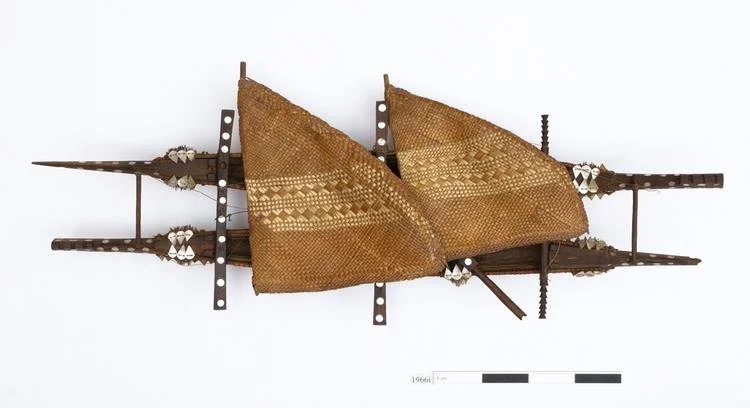
Top view of the Manihiki canoe model at the Horniman Museum, London.