

As I mentioned in my introduction on the Page POLYNESIAN CANOES, there will come a time when I list them under the island, atoll, or archipelago to which they belong, and I will start with Hawaii. There are, of course, hundreds and hundreds of pictures illustrating Hawaiian canoes, but I will only list some of them for their historical significance, functional design, and cultural revival.
As I mentioned in my introduction on the Page POLYNESIAN CANOES, there will come a time when I list them under the island, atoll, or archipelago to which they belong, and I will start with Hawaii. There are, of course, hundreds and hundreds of pictures illustrating Hawaiian canoes, but I will only list some of them for their historical significance, functional design, and cultural revival.
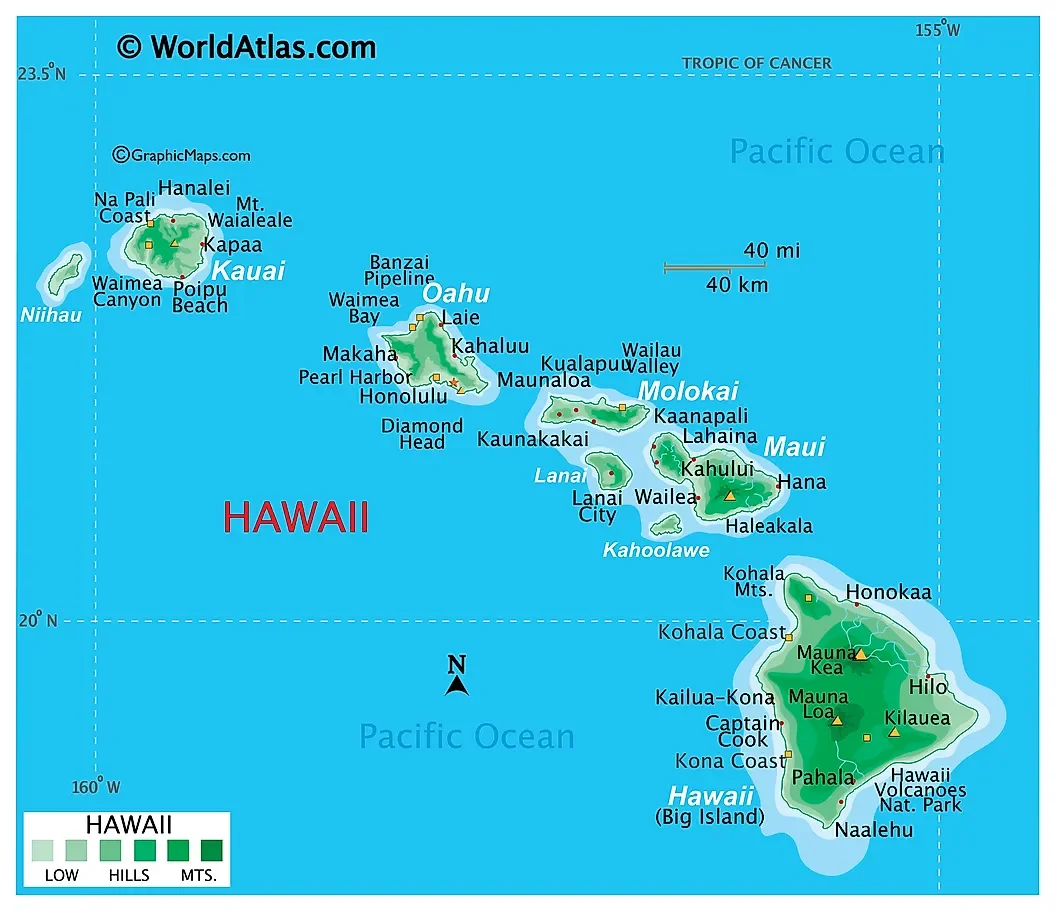
Hawaii map.webp
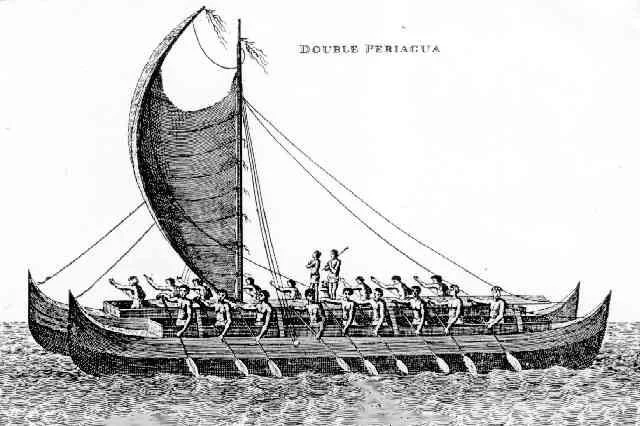
17th-century copper etching of a Hawaiian double-hulled voyaging canoe.
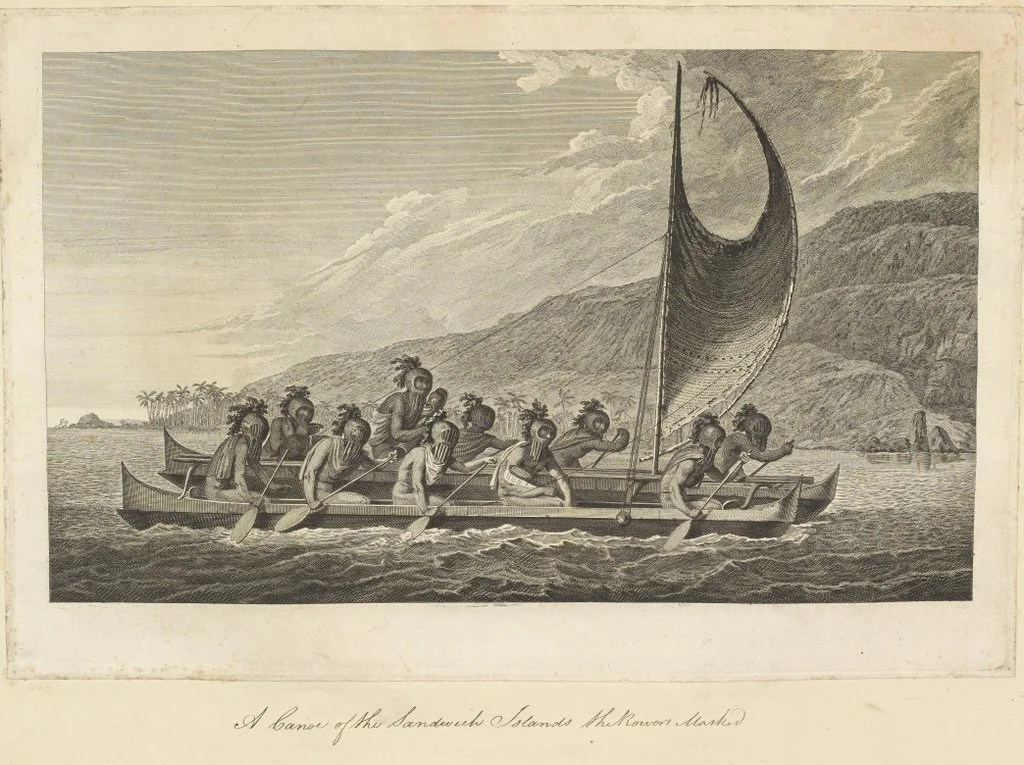
Canoe of the Sandwich Islands, the rowers masked by John Webber, c. 1778
Who was John Webber ?
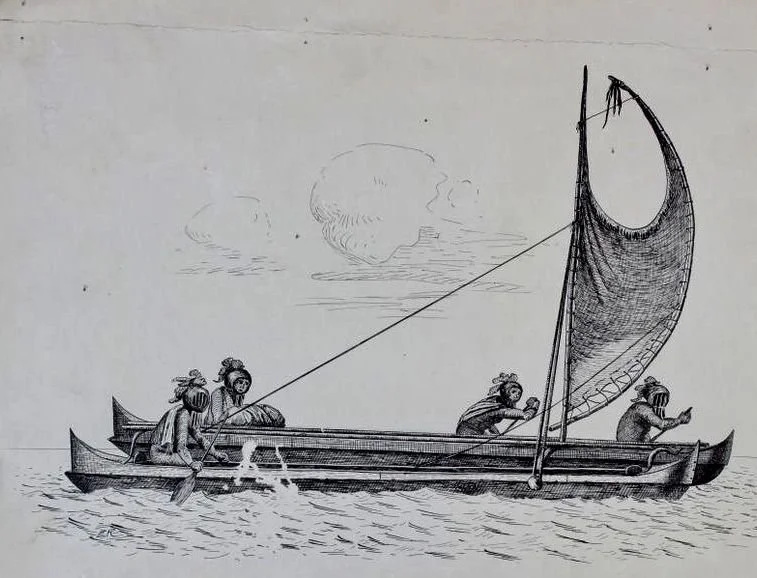
Hawaiian double canoe with crab claw sail. Archives Collection Te Papa. From a plate in Captain Cook's voyages.
SANDWICH ISLANDS - HAWAII
Canoes of the Sandwich Islands, the rowers masked. A double canoe with an upright lateen sail holding nine rowers wearing gourd helmets, and one helmeted figure holding a carved idol. The shoreline in the background represents the north-west side of Kealakekua Bay. John Webber made pictures of this event in 1779 during Cook's third voyage.
Hawaii was named the Sandwich Islands by British explorer Captain James Cook in 1778. He named the archipelago to honor his patron, John Montagu, the 4th Earl of Sandwich, who served as the First Lord of the British Admiralty and helped fund his expeditions.
The Earl of Sandwich was a prominent figure in British history—and yes, he is the same nobleman famously credited with popularizing the modern sandwich. Cook routinely named newly discovered geographic locations after his financial and political benefactors.
While European mapmakers and foreign governments widely adopted the name "Sandwich Islands" for over 50 years, it was never accepted by the Native Hawaiian people or local leadership. Over time, as European and American influence in the region grew, the archipelago took on its traditional name, derived from the largest island, Hawaiʻi
DOUBLE-HULLED CANOE
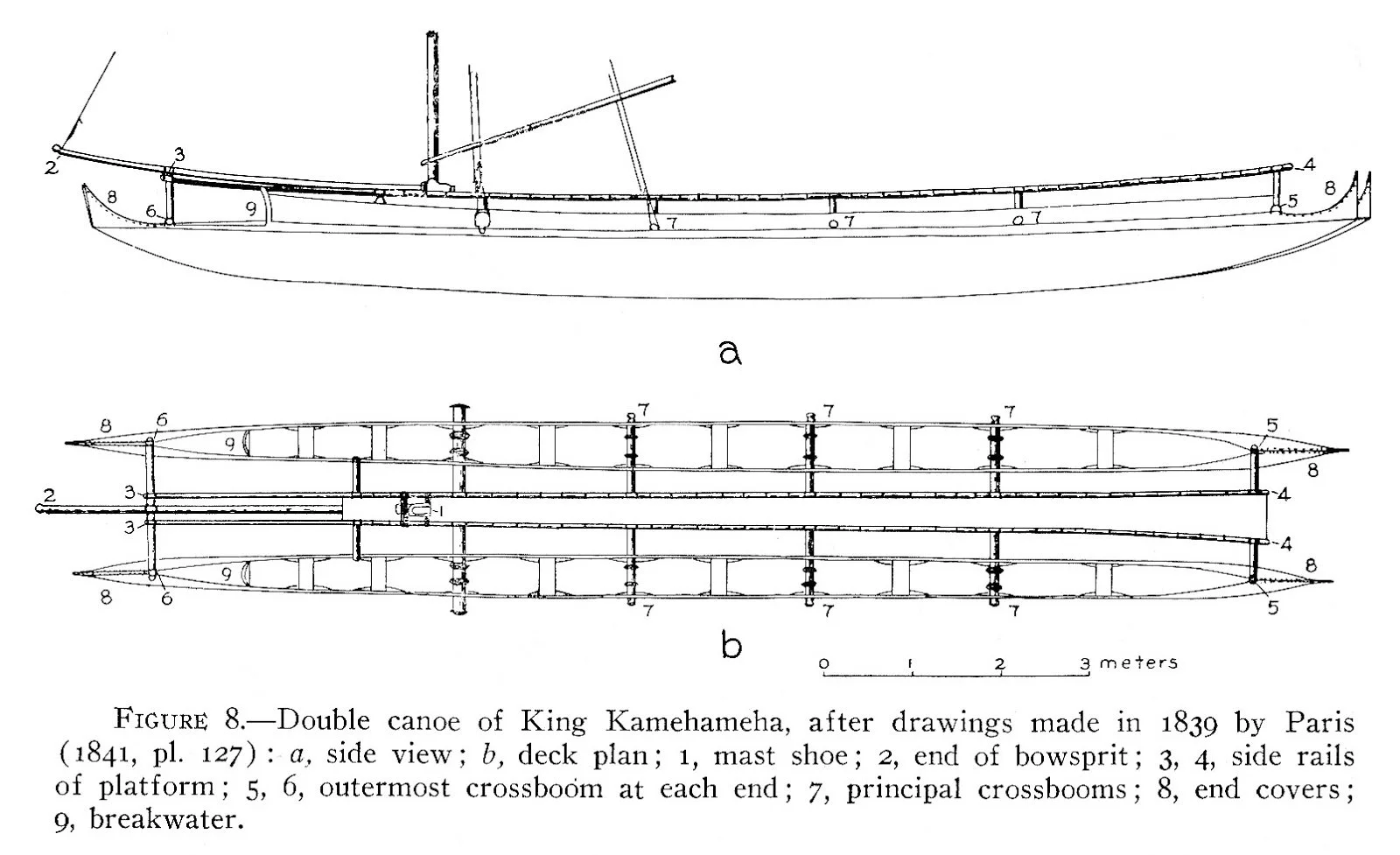
King Kamehameha's canoe, from a drawing by Admiral Paris.
Who is Admiral Paris ?
https://en.wikipedia.org/wiki/Fran%C3%A7ois-Edmond_P%C3%A2ris
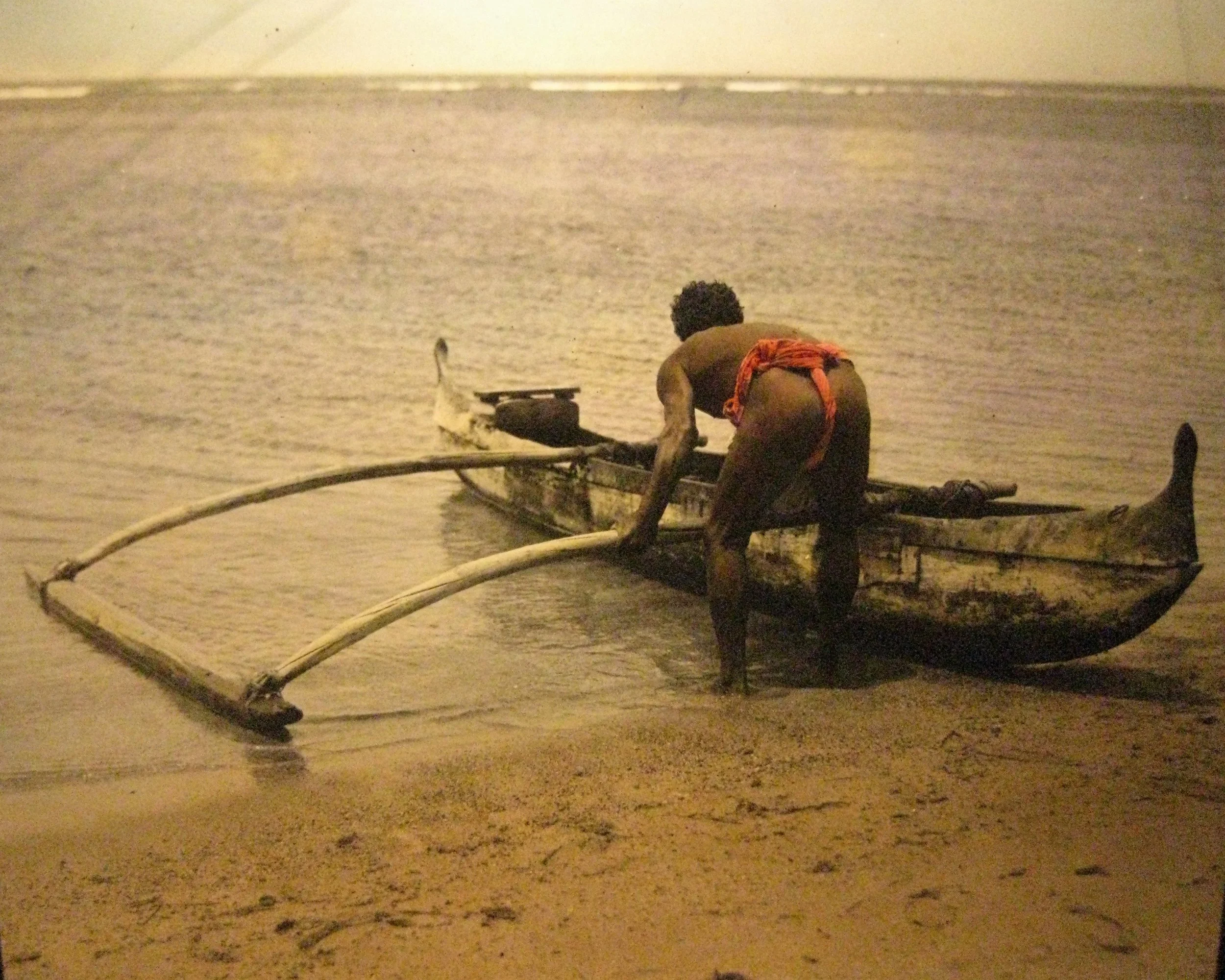
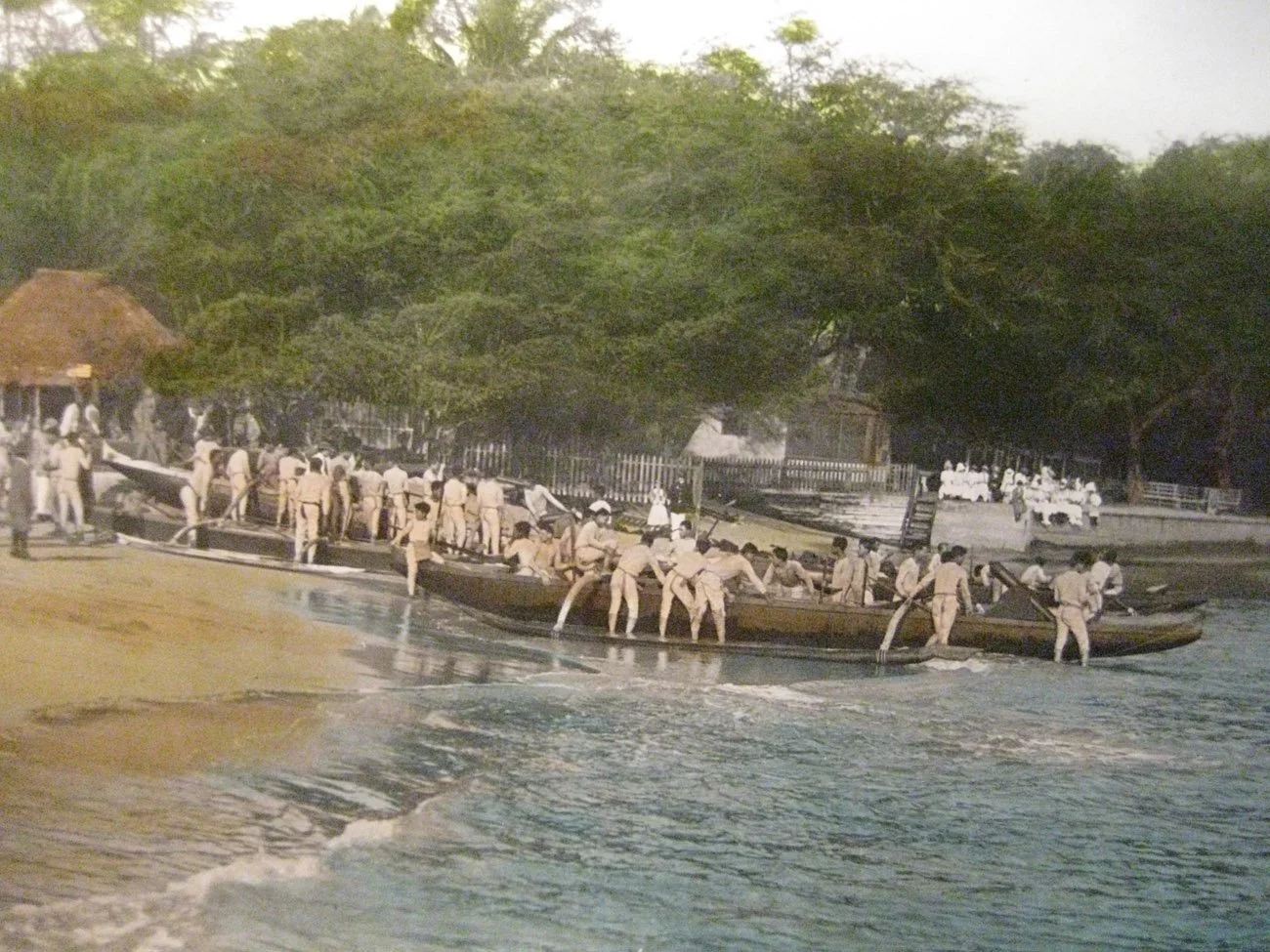
1913 magic lantern slide showing a Hawaiian pushing his outrigger to sea.
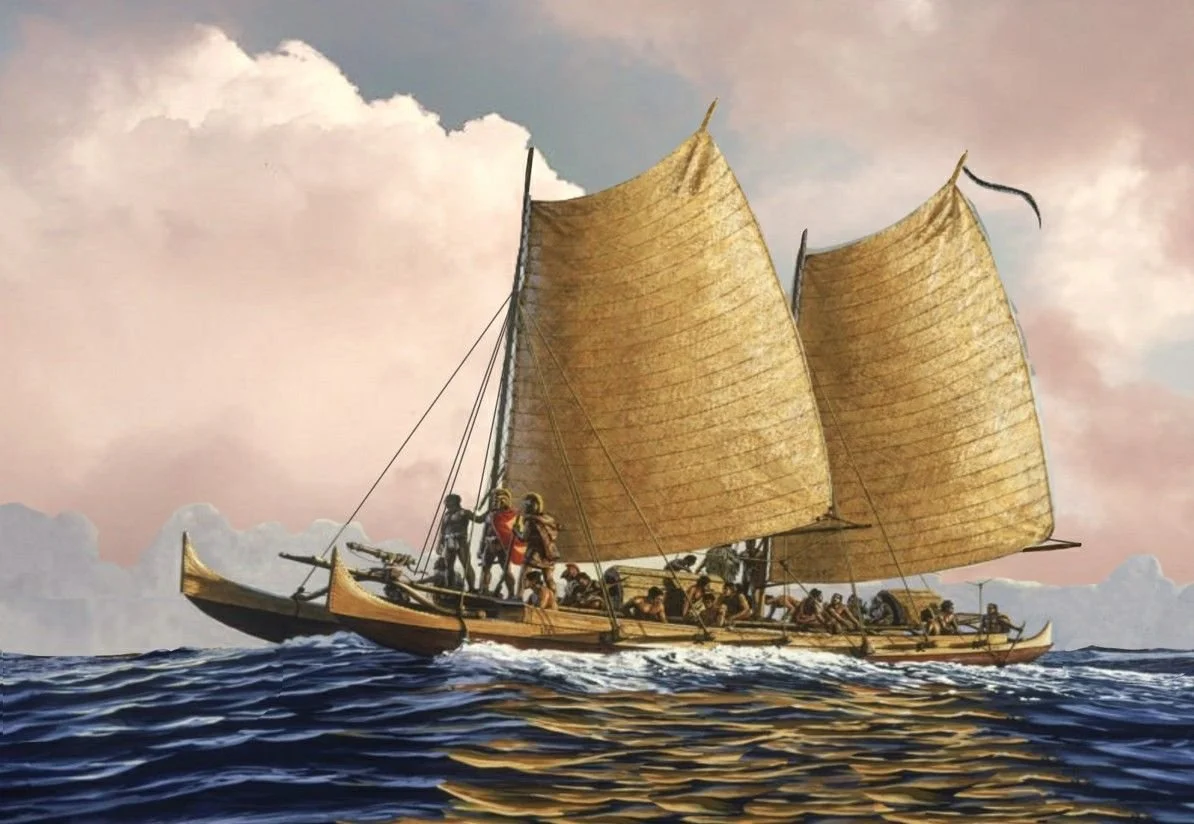
Hawaiian war canoe by Herb Kawainui Kane
Hawaiian war canoes, historically known as waʻa peleleu, were massive, deep, and wide double-hulled vessels built to transport warriors, weapons, and provisions during inter-island conflicts. These formidable catamarans played a critical role in the unification of the Hawaiian Islands, most notably utilized by Kamehameha I during his military campaigns between 1796 and 1801. Unlike the highly decorated canoes found in other parts of Polynesia, the Hawaiian war canoe was heavily streamlined and engineered for maximum speed, stability, and open-ocean survival. Ulukau.org.
Who is Herb Kawainui Kane ?
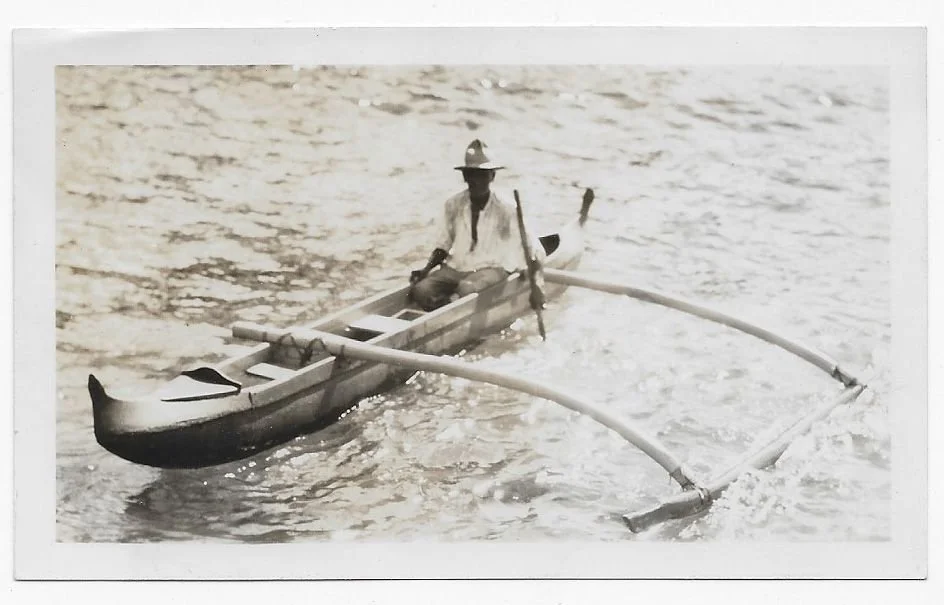
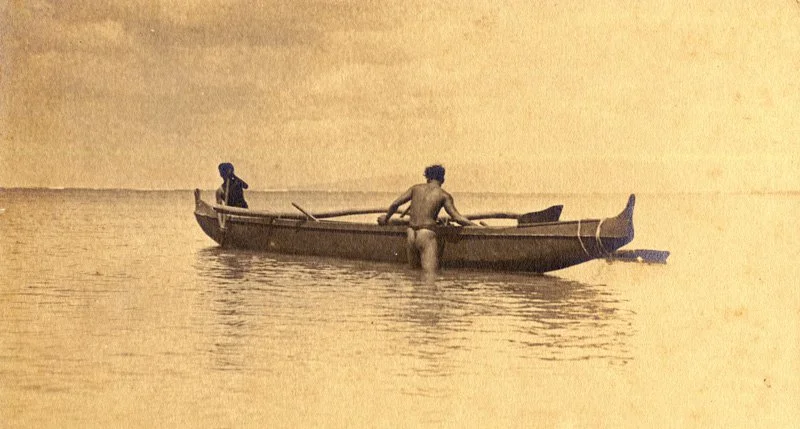
c.1880 albumen photograph showing Hawaiian in outrigger canoe , Waipi’o Valley, Maui
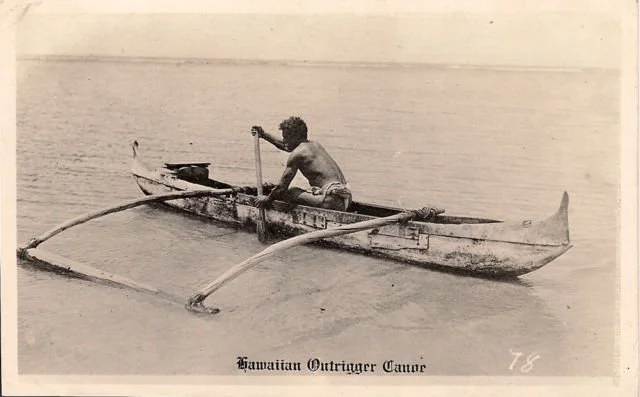
A photo dating back to the beginning of the 20th century showing a native paddling along the shore.
Canoe paddler
Original c.1920 photograph of a Hawaiian canoe padler.
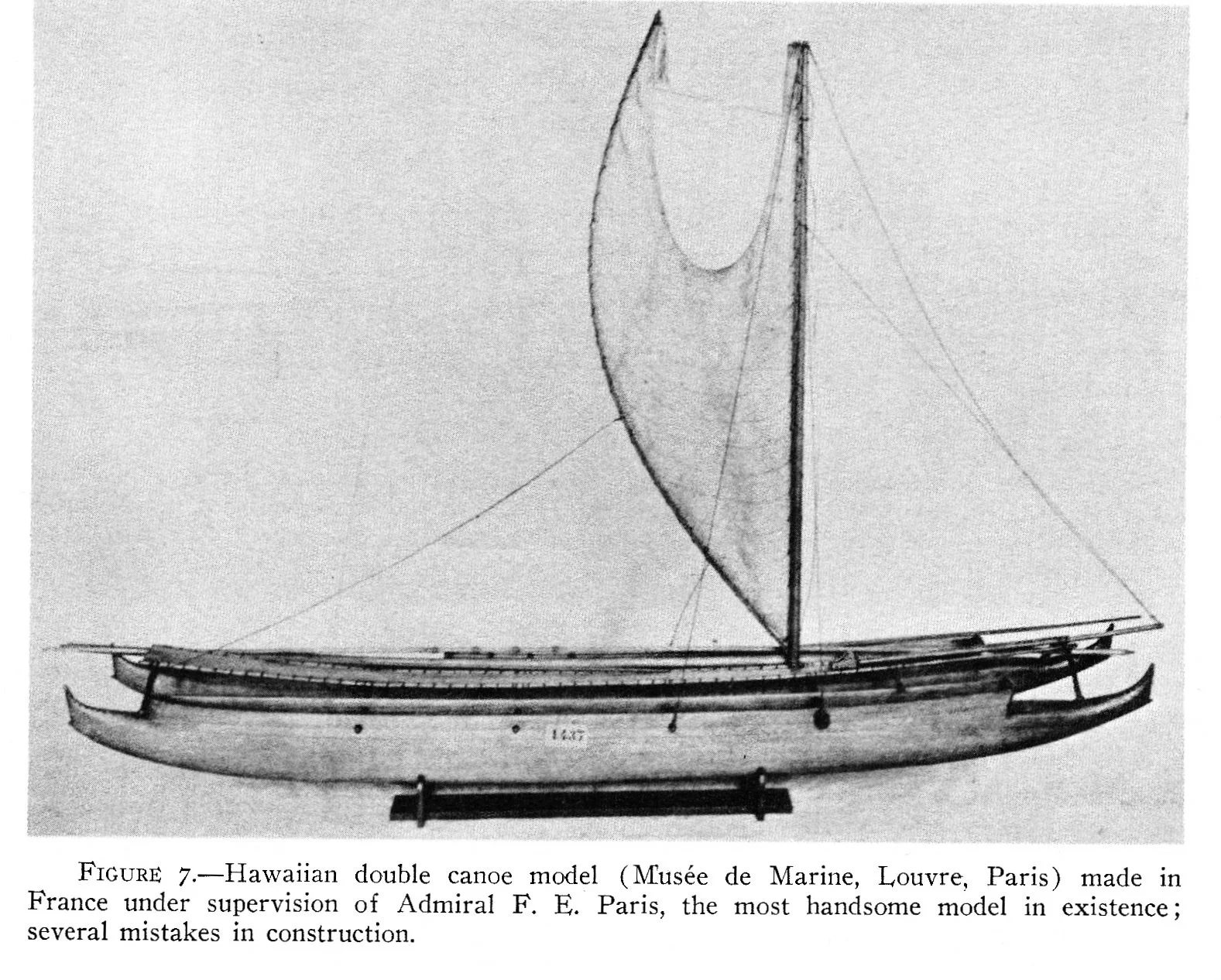
Double-hulled canoe_Admiral Paris
Hawaiian double-hull canoe model in the Musee de la Marine, Paris, made in France under supervision of Admiral F.E. Paris.
Who was Admiral Paris ?
https://en.wikipedia.org/wiki/Fran%C3%A7ois-Edmond_P%C3%A2ris
HAHALUALELE - BIG ISLAND
The Hahalualele voyaging canoe or the Flying Manta Ray. Big Island
Photographic postcard 1916-1922
This image depicts a model of Queen Kapi’olani canoe, also known as “Na mea makamae o Hawaii” having been sent to the Smithsonian in 1888.
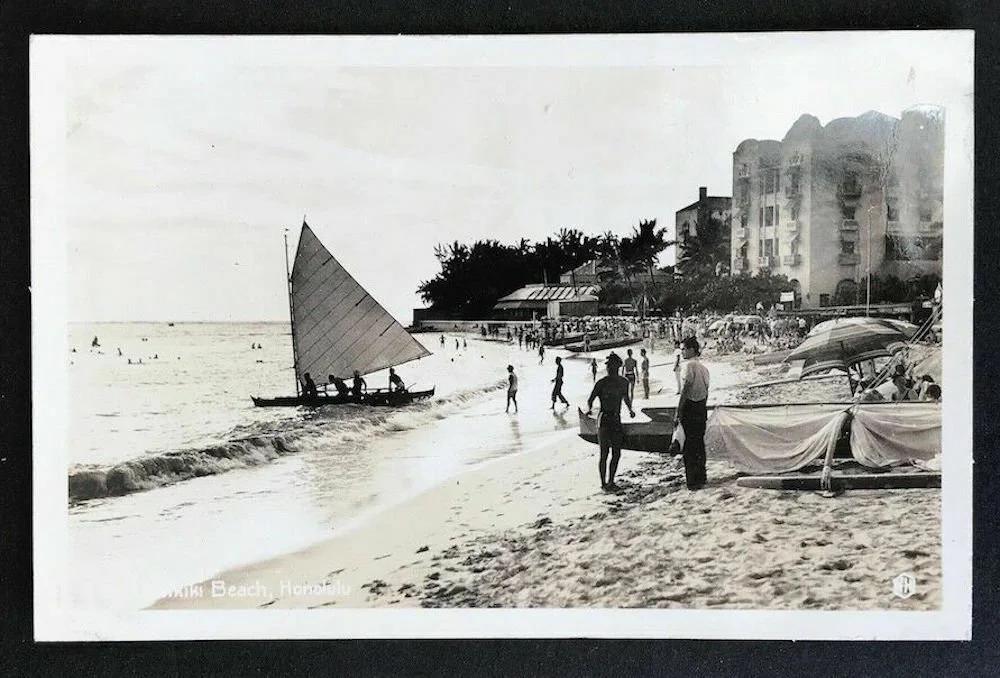
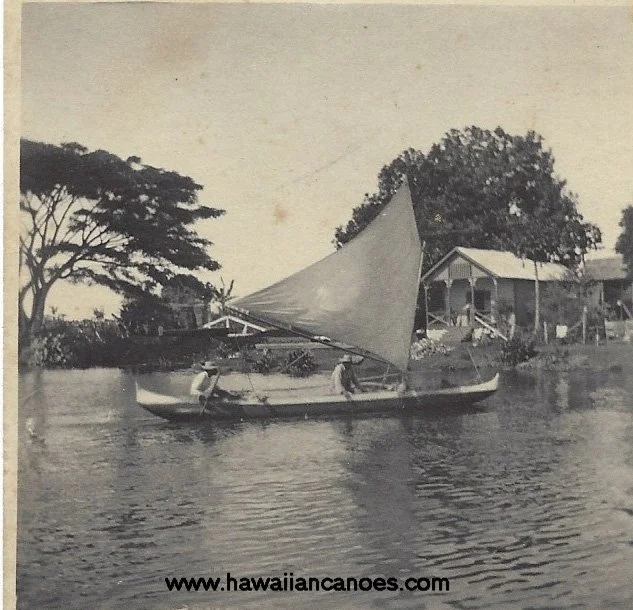
c.1920 Photographic postcard. The scene depicts traditional outrigger equipped with a sprit sail with the Royal Hotel visible in the background.
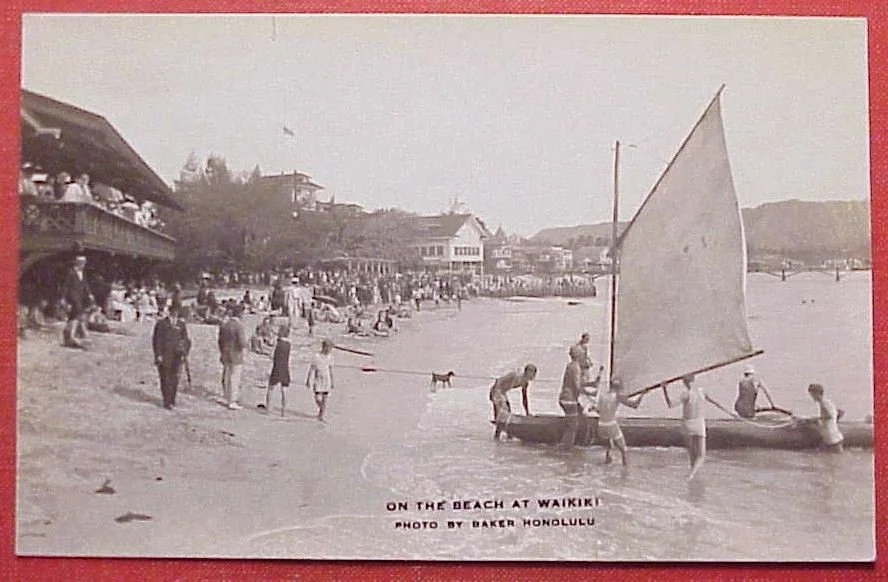
1919 photographic postcard featuring an outrigger with sprit sail on the beach near what looks the Outrigger Canoe Clubhouse
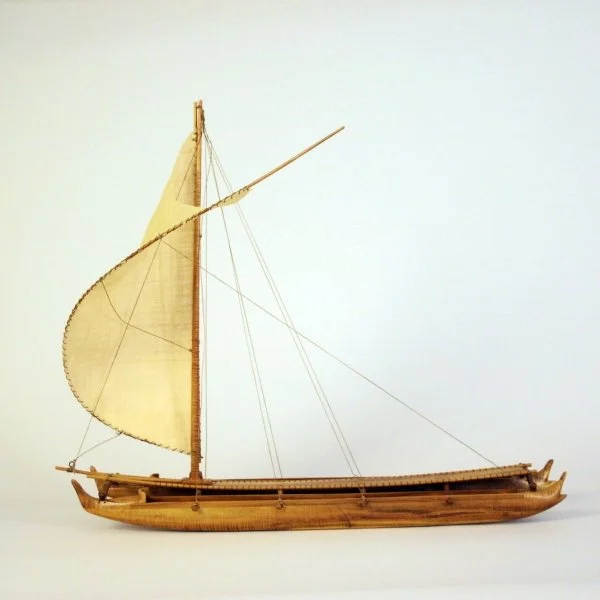
A beautiful double hull canoe model. Maker unknown.
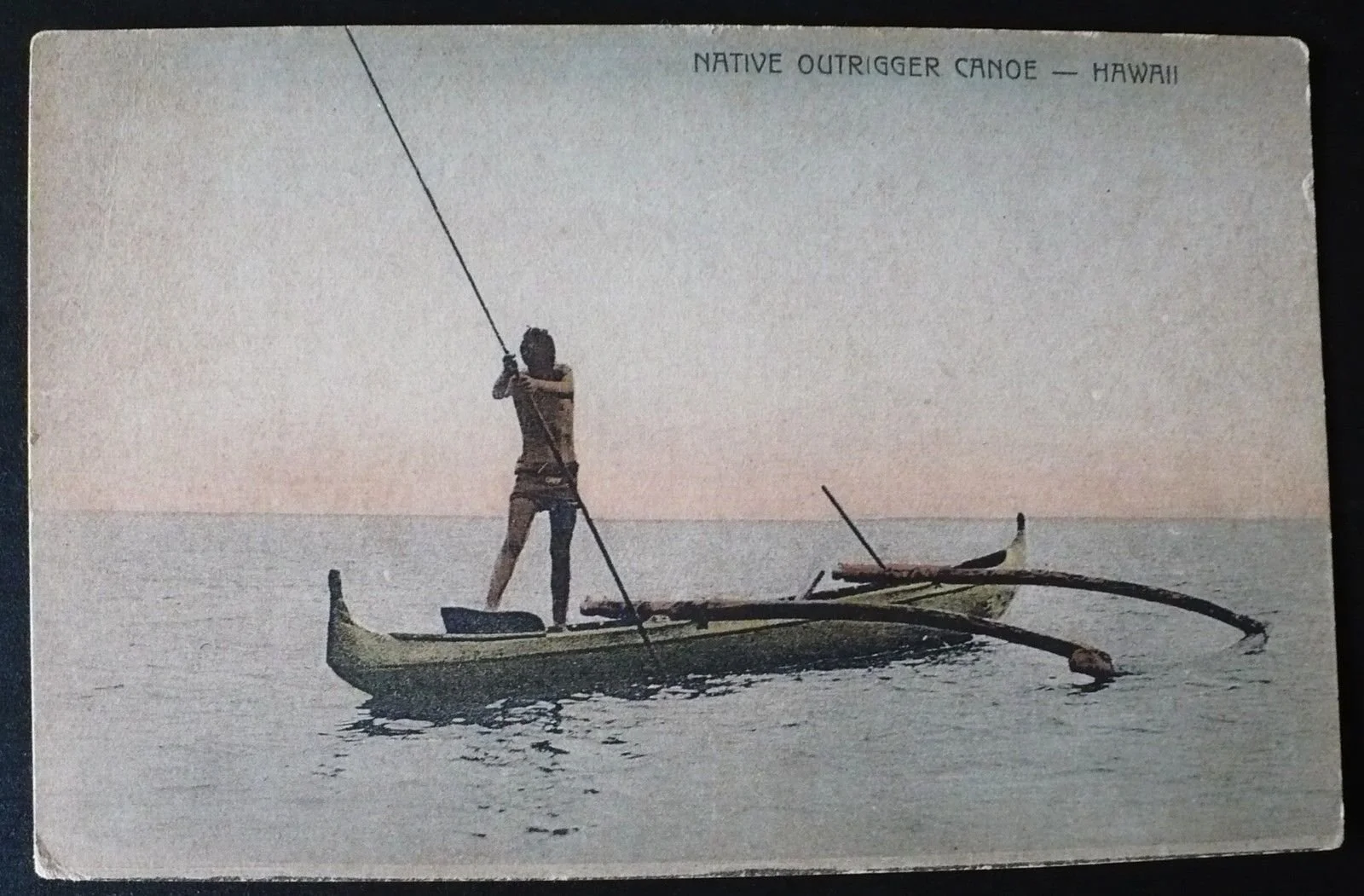
c. 1920 photographic postcard of a Hawaiian using a fishing spear.
ca. 1920 photographic postcard illustrating a Hawaiian outrigger canoes known as wa’a kaukahi, equipped with a Western-style sprit sail.
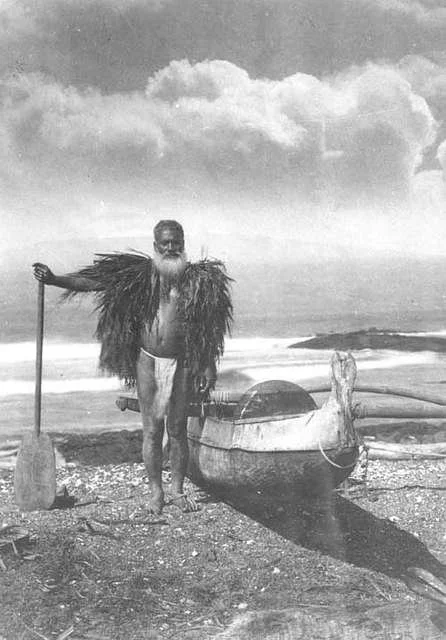
ca. 1890 photographic image of a Hawaiian fisherman in a malo and ahu la’i
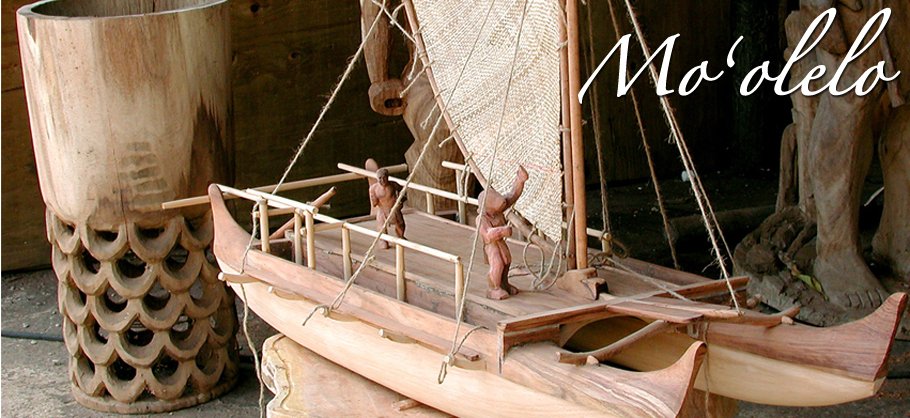
Mo’olele canoe model
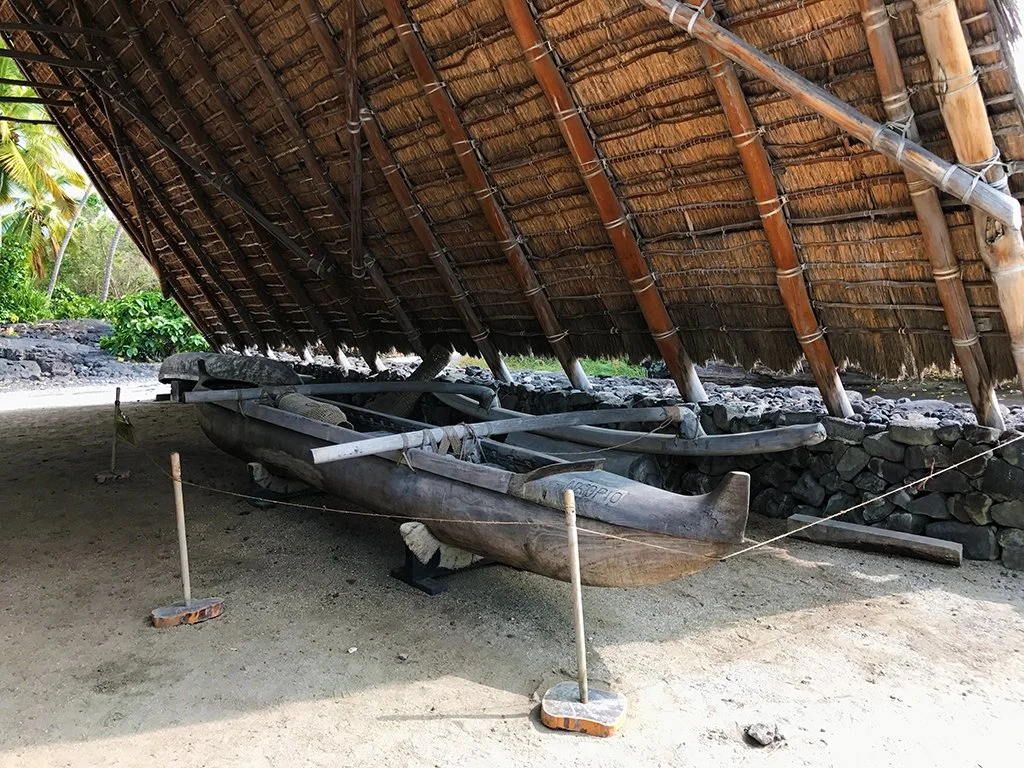
The canoe house or Hale Wa’a at Pu’uhonua o Honaunau National Historical Park, Big Island Hawaii.
Hawai'iloa.
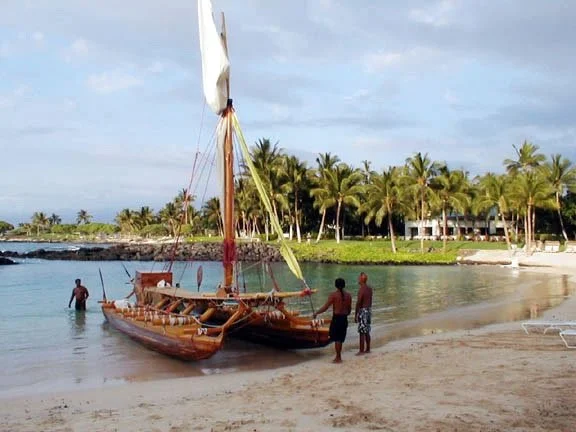
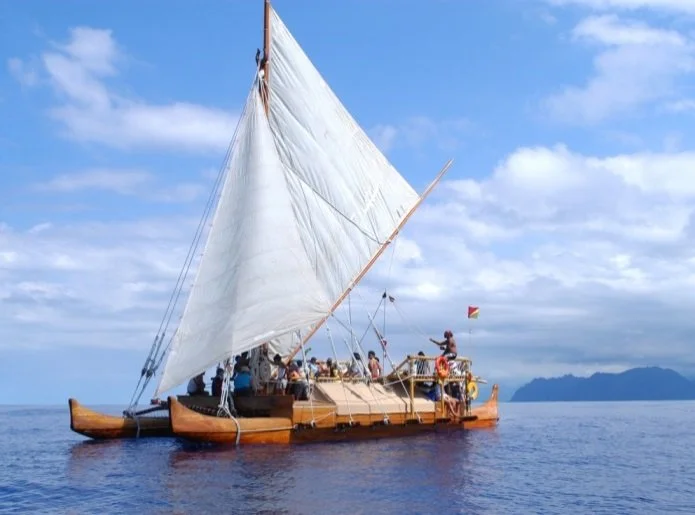
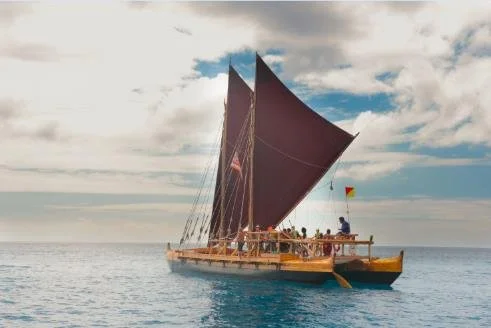
The Hawaiʻiloa is a historic 57-foot traditional double-hulled voyaging canoe built between 1991 and 1994 by the Polynesian Voyaging Society. Named after the legendary Polynesian navigator, she was designed for deep-ocean voyaging and sails using traditional celestial navigation.
HIKIANALIA
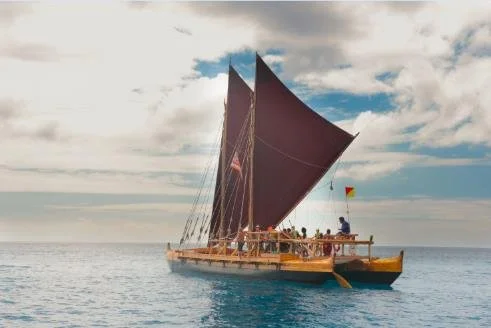
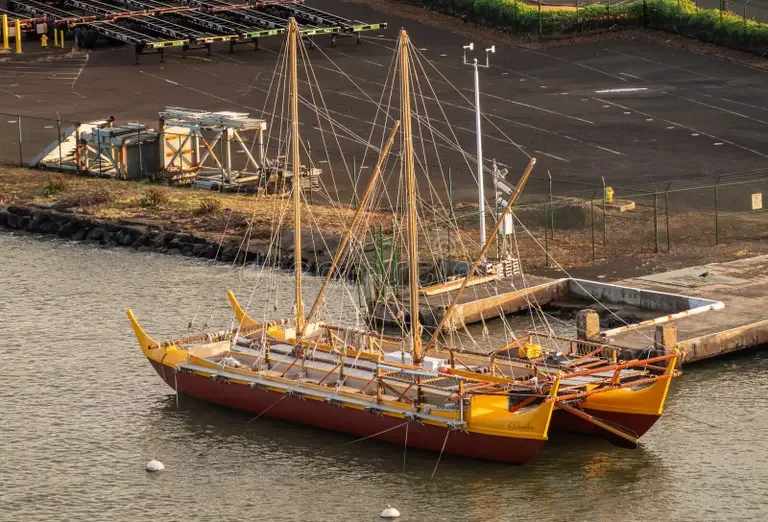
Hikianalia is a traditional Polynesian double-hulled voyaging canoe and the official sister vessel to the famous Hōkūleʻa. Built in New Zealand in 2012, she is named after the companion star to Hōkūleʻa. While Hōkūleʻa relies solely on the wind, Hikianalia is equipped with zero-emission electric motors powered by solar panels to serve as a high-tech escort and safety vessel. She also functions as a floating classroom, communications hub, and a platform for marine science
IOSEPA
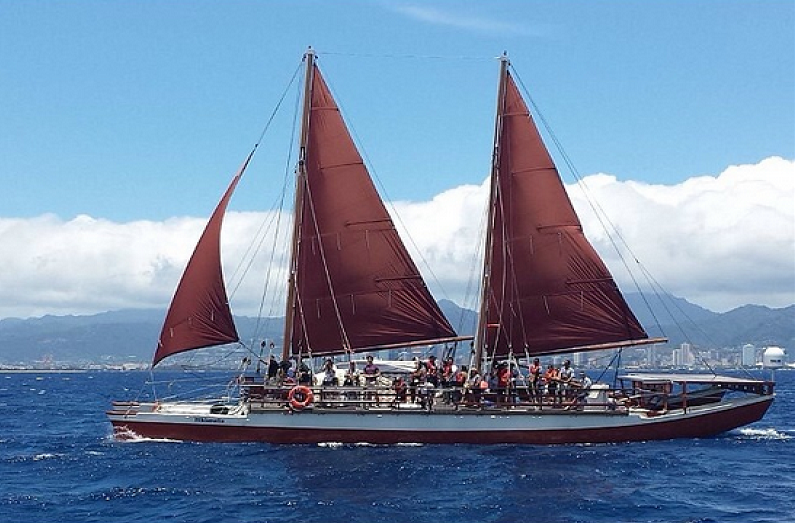
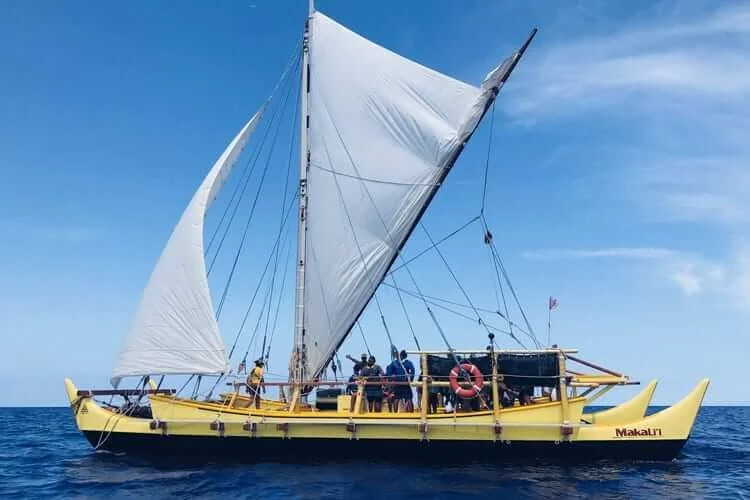
The Iosepa is a 57-foot, double-hulled traditional Polynesian voyaging canoe housed at the Polynesian Cultural Center in Lāʻie, Oʻahu. Built in 2001, the all-wood vessel serves as a "floating classroom" for Brigham Young University–Hawaii (BYU–Hawaii) students to study ancient celestial navigation, seamanship, and Polynesian history
I
Rare Magic lantern slide showing Hawaiian pushing a large canoe to sea.
MO'OLELE
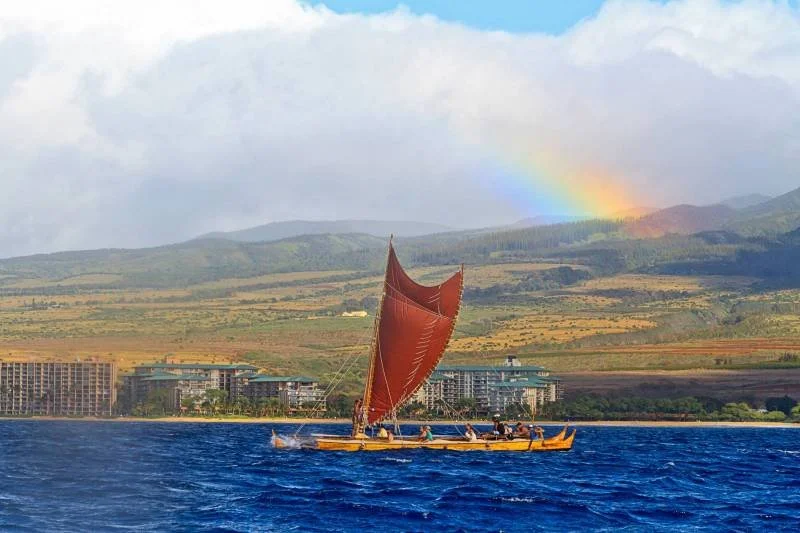
Maui’s double hulled sailing canoe, Mo’olele, was lost in the Lahaina fires last August. The 42 foot Mo’olele, which means flying lizard. She was built in Lahaina and sailed throughout the Hawaiian Islands for nearly 50 years.Mo’olele. Photo credit to Hui O Wa’a Kaulua.
MO'OKIHA - MAUI
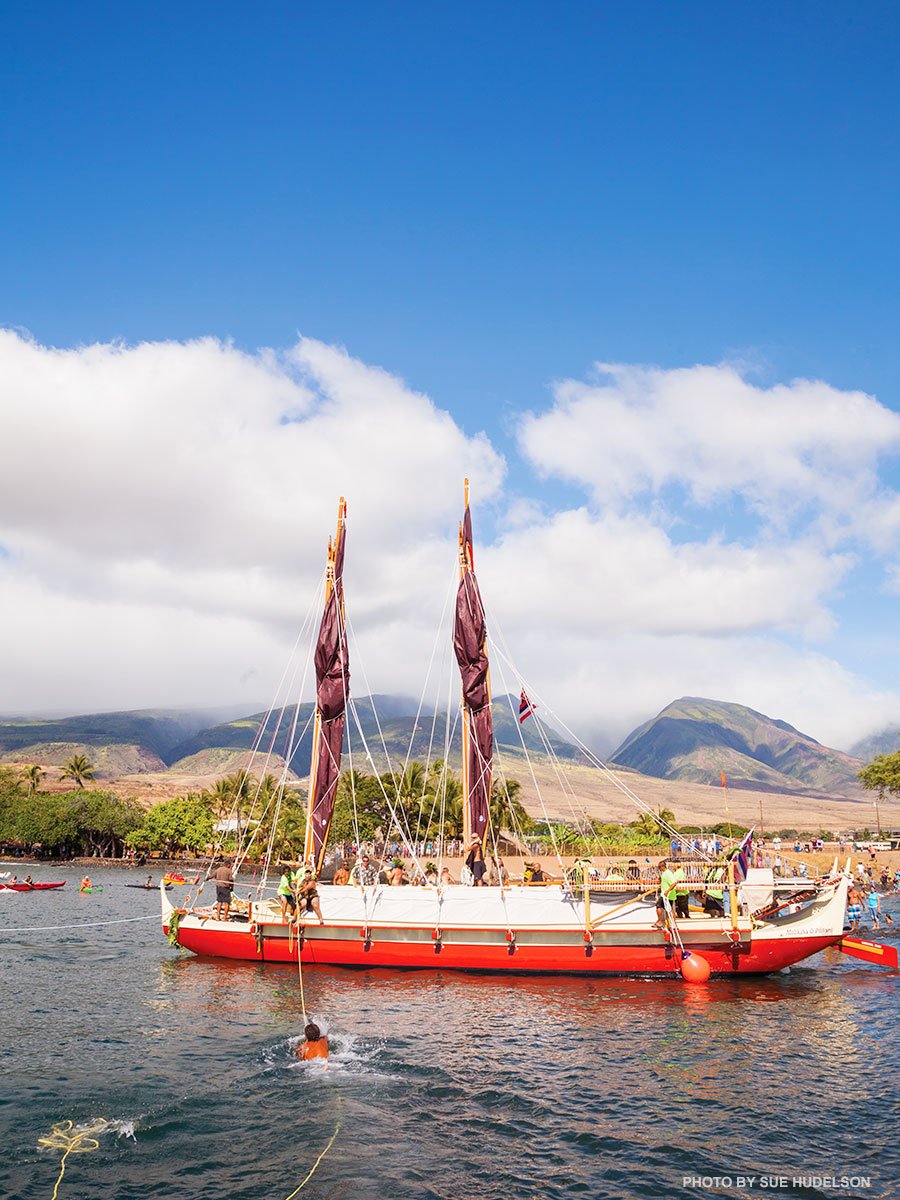
Moʻokiha O Piʻilani. Photo by Sue Hudelson
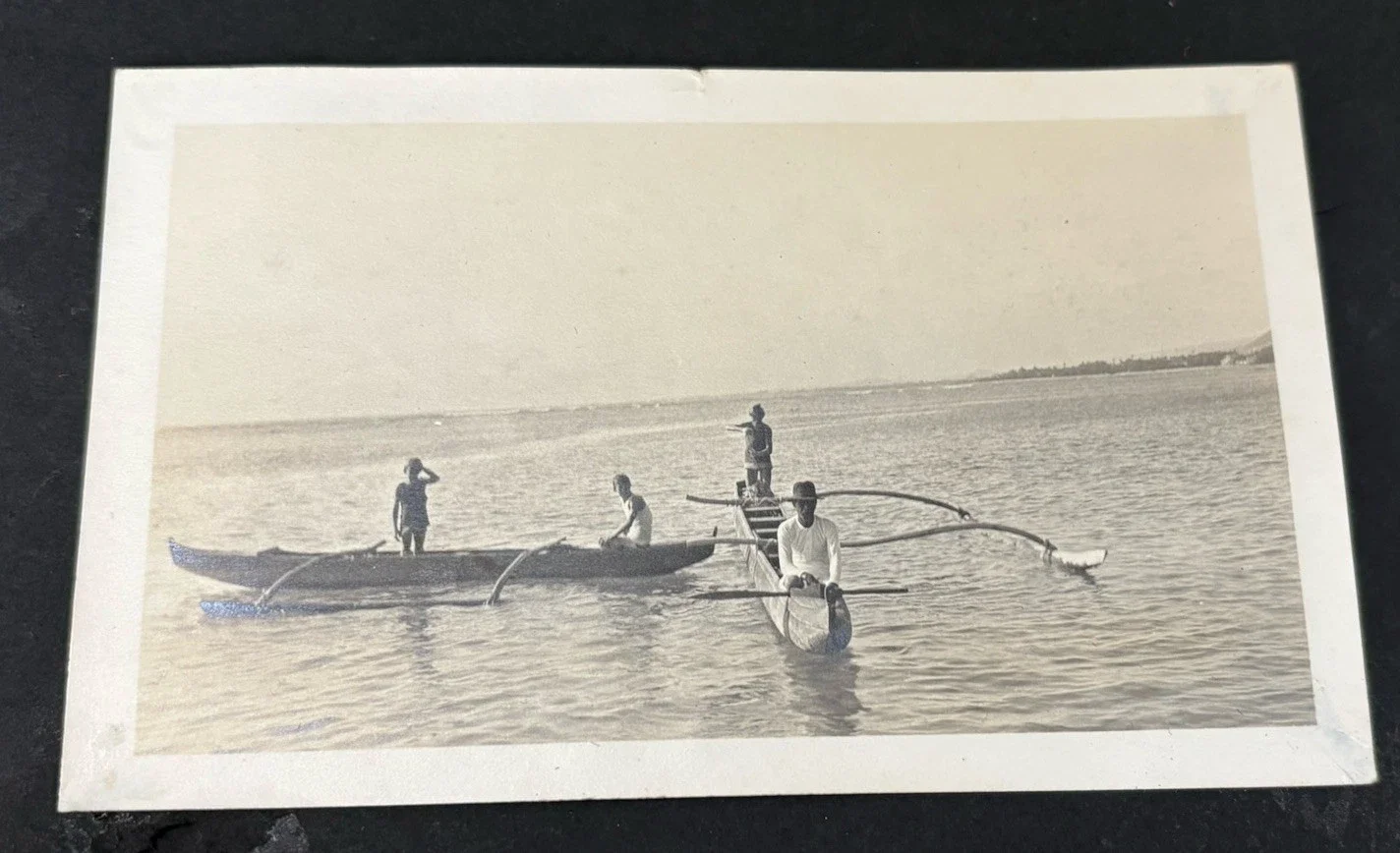
This photograph, titled Hawaiian Canoe, Kaneohe Bay, was captured by A.R. Gurrey Jr. around 1915.
HAWAI'ILOA- OAHU
AI Overview
Hawaiʻiloa is a historically significant, double-hulled voyaging canoe built by the Polynesian Voyaging Society in the early 1990s. Named after the legendary voyager who discovered the Hawaiian Islands, it was originally designed to use traditional materials. Its construction catalyzed an environmental and cultural exchange between Native Hawaiians and Alaska Natives.
Key Facts and Background
Meaning: Named after the legendary Polynesian navigator and first discoverer of Hawaiʻi.
Construction: Built between 1991 and 1993 to revitalize the ancient art of canoe building.
The Alaskan Connection: Because there were no longer koa trees large enough in Hawaiʻi to carve its twin hulls, the Sealaska Corporation donated two massive Sitka spruce logs.
Symbolism: The gift of the spruce logs sparked a cultural bridge between Hawaiians and Tlingit communities in Alaska. It also highlighted the importance of global forest conservation and reforestation.
Restoration: After rotting and spending over a decade on land, the canoe was lovingly restored by volunteers and returned to the ocean in 2014
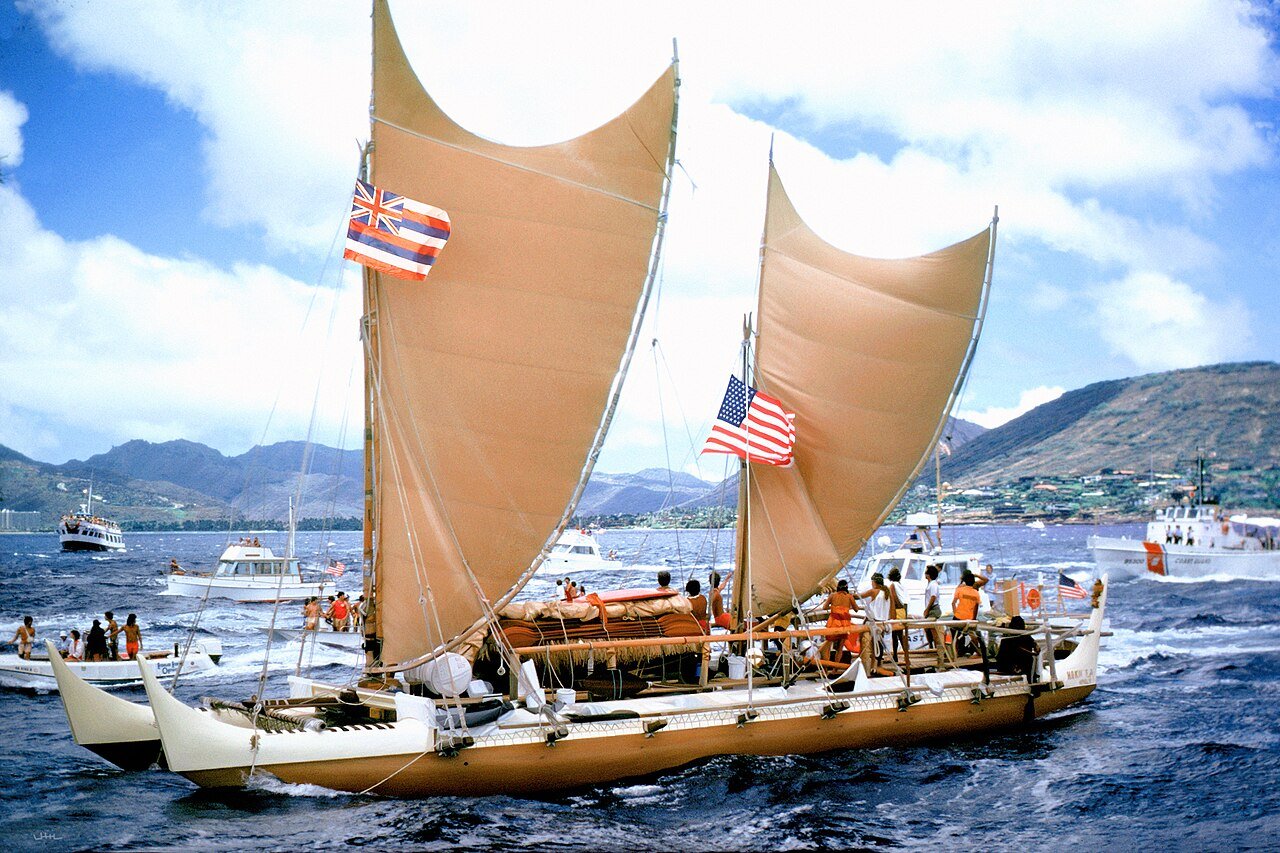
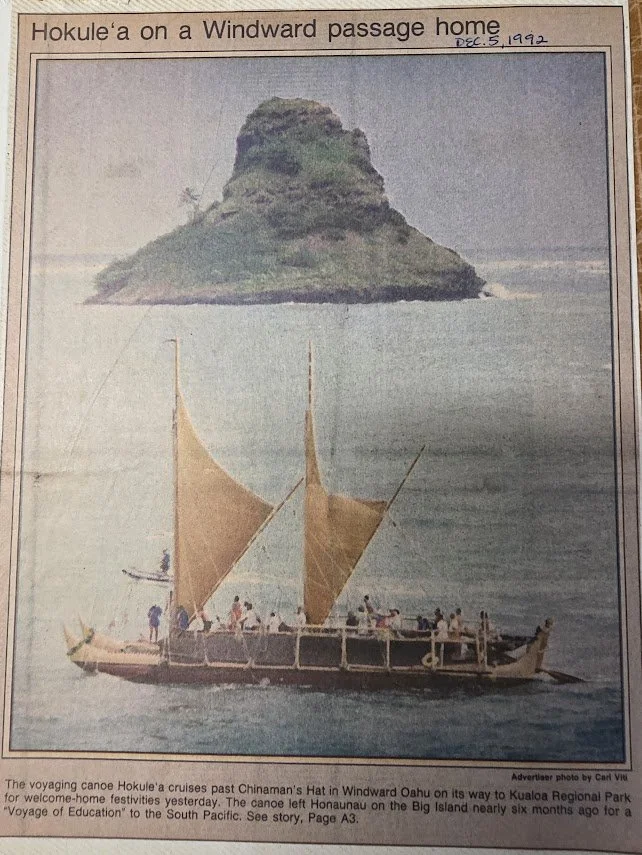
Hokule'a cruises past Chinaman's in 1992. In 2010 I acquired a photo album on E-bay, in which the above iconic page was included.
In 1992, the Polynesian voyaging canoe Hōkūle'a sailed from Hawai'i to Tahiti, and then on to the Cook Islands as part of the "No Nā Mamo" (For the Generations) voyage. The historic journey served to celebrate Pacific voyaging traditions and was a major educational and cultural milestone